


7 easy home date ideas that feel surprisingly romantic
There’s something quietly magical about staying in. No traffic, no waiting lists, no pressure to perform or impress a room full of strangers. Just two people, a familiar space, and the chance to turn ordinary moments into something meaningful. Home dates often get dismissed as a “backup plan,” but the truth is, they can be far more intimate than anything you book outside. When done right, they invite you to slow down, notice each other, and create memories that don’t feel staged.
Romance isn’t about how much you spend or how elaborate the setting is. It’s about attention, presence, and small intentional gestures. A soft light, a shared laugh, a quiet conversation—these are the ingredients that transform a simple evening into something you’ll think about days later.
Below are seven home date ideas that are easy to set up, low-cost, and unexpectedly romantic. Each one is more than just an activity; it’s an experience you shape together.
cooking a “no-recipe” dinner together
Cooking together is often suggested, but the way you do it makes all the difference. Instead of following a strict recipe, try a “no-recipe” dinner. Open your fridge, take stock of what you have, and create something from scratch as a team.
At first, it might feel chaotic. You’ll ask each other questions like, “Should we add this?” or “Is this too much salt?” That uncertainty is part of the charm. It forces collaboration. You’re not just cooking—you’re problem-solving together, improvising, laughing when something goes wrong, and celebrating when something unexpectedly tastes amazing.
Set the mood before you begin. Dim the lights slightly, play soft music in the background, and maybe pour a drink. Don’t rush. Chop slowly. Taste often. Talk about random things—childhood food memories, favorite meals, places you want to travel just for the cuisine.
The beauty of this idea is that it removes perfection. Even if the dish turns out imperfect, the process becomes the story. You’ll remember the moment you both decided to add too much chili more than the final taste.
When dinner is ready, plate it nicely—even if it’s just on your everyday dishes. Sit down without distractions. No phones, no TV. Just the two of you and something you created together.
indoor picnic with a twist
An indoor picnic might sound simple, but it can feel surprisingly special when done thoughtfully. Clear a space on the floor and lay down a blanket or even a bedsheet. Add cushions or pillows for comfort. The goal is to change your usual dining environment just enough that it feels like an escape.
Instead of a typical meal, go for small, shareable items. Finger foods work best—sandwich slices, fruits, snacks, maybe a homemade dip. Eating with your hands feels more relaxed, less formal.
Here’s the twist: build a theme. It could be a “Paris evening,” a “beach day,” or even something nostalgic like “childhood favorites.” Let the theme influence your food, music, and even what you wear. It doesn’t have to be perfect; in fact, a slightly playful approach makes it more memorable.
You could also add a small activity during the picnic. A card game, storytelling prompts, or even reading something aloud to each other can deepen the experience.
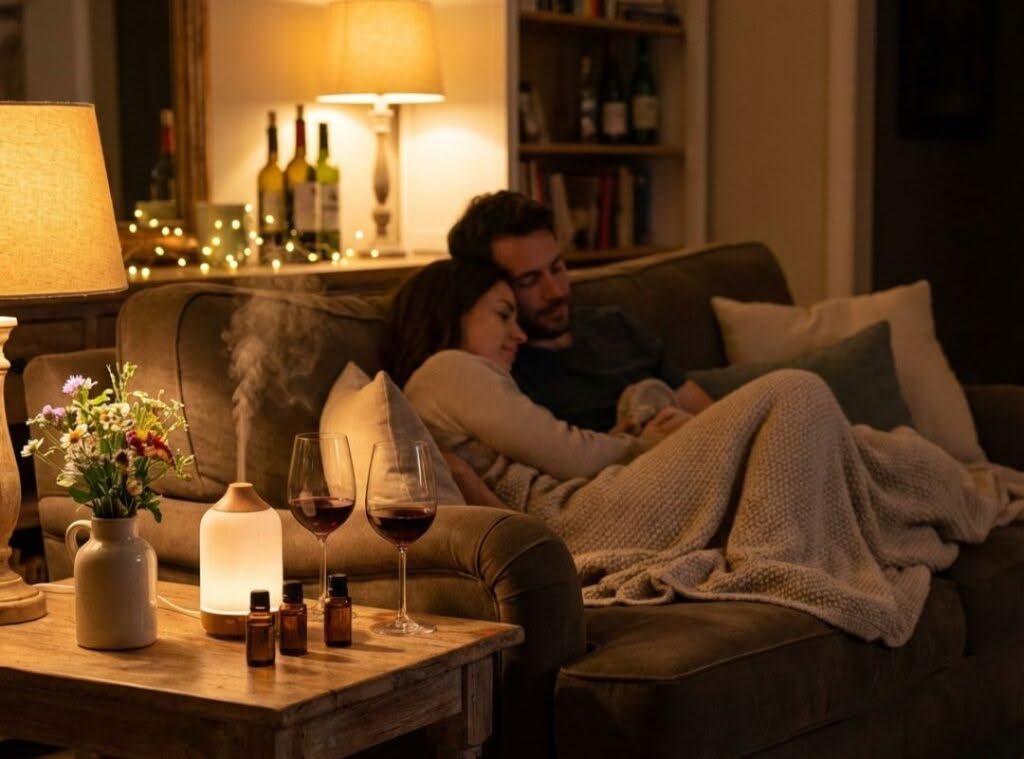
Lighting plays a big role here. Turn off overhead lights and use lamps, fairy lights, or candles if you have them. The softer the lighting, the more intimate the atmosphere becomes.
movie night, but make it personal
A regular movie night can easily turn into background noise. To make it romantic, it needs intention.
Start by choosing the movie together, but add a layer of meaning. Maybe it’s a film one of you loves and wants to share, or something tied to a memory, or even a genre you’ve never explored together. The conversation around choosing can be part of the date itself.
Before the movie starts, create a “mini theater” experience. Prepare snacks in advance—popcorn, drinks, maybe something sweet. Arrange seating so you’re close and comfortable. Turn off lights completely or keep a dim glow.
Here’s where it becomes different: pause the movie occasionally—not too often—to talk. Share thoughts, reactions, or even silly commentary. It turns passive watching into shared engagement.
After the movie, don’t just move on. Spend a few minutes talking about it. What did you like? What surprised you? Did it remind you of anything in your own lives? This small step often leads to deeper conversations.
If you want to take it further, you could even rate the movie together or create a “watchlist” for future dates.
the “questions night” that goes beyond small talk
Sometimes, the most romantic thing you can do is simply understand each other better.
A questions night is about asking things you don’t usually ask in everyday conversation. You can prepare a list in advance or come up with questions on the spot. They don’t have to be serious all the time—mix lighthearted and deep ones.
For example:
What’s a small moment in your life that made you unexpectedly happy?
If you could relive one day, which would it be?
What’s something you’ve changed your mind about in the last few years?
Take turns asking and answering. The key is to listen without interrupting or rushing to respond. Let answers unfold naturally.
To make it feel special, set the scene. Sit facing each other, maybe with a warm drink in hand. Keep the environment quiet. This isn’t about distraction—it’s about connection.
You might discover things you didn’t know, even if you’ve been together for a long time. And sometimes, hearing familiar stories in a new context makes them feel fresh again.
creative night: making something together
Creativity has a way of bringing people closer because it allows vulnerability. You don’t need to be “good” at art for this. In fact, the less experienced you are, the more fun it can be.
Pick something simple—drawing, painting, writing short notes, or even building something small. You could try sketching each other, creating a shared journal page, or making a playlist and designing a cover for it.
The goal isn’t the final product; it’s the process. You’ll laugh at your mistakes, encourage each other, and maybe even surprise yourselves.
To make it romantic, keep the environment calm and focused. Play instrumental music or something soft. Take your time. Compliment each other’s efforts, not just the results.
At the end, keep what you’ve made. It becomes a physical reminder of the evening—something you can look back on later.
recreating your first date (or an imagined one)
Revisiting your first date can be deeply nostalgic. Try to recreate it at home as closely as possible. If you remember what you ate, make a version of it. If there was music, play something similar.
But don’t stress about accuracy. Even approximations can bring back the feeling. Talk about what you remember from that day—what you were thinking, what you felt, what surprised you.
If you didn’t have a memorable first date, or if you want something new, create an “imagined first date.” Pretend you’re meeting for the first time. Ask the kinds of questions you’d ask a stranger. Introduce yourselves in playful ways.
This idea works because it breaks routine. It lets you see each other from a slightly different angle, even if you’ve known each other for years.
nighttime walk followed by a quiet wind-down
Technically, this starts outside, but the core of the date is what follows at home.
Take a short walk together at night. It doesn’t have to be far. Walking side by side creates a natural rhythm for conversation. You don’t have to maintain eye contact constantly, which often makes talking easier and more honest.
Notice small things—the air, the sounds, the quiet. Let the pace be slow.
When you return home, don’t jump back into normal routines. Keep the calm energy going. Maybe have a warm drink, sit together, or even just lie down and talk.
This combination of movement and stillness creates a balance. The walk opens you up; the quiet time lets you connect more deeply.

why these simple ideas work
It’s tempting to think romance requires grand gestures, but often, those can feel performative. Simple home dates work because they remove distractions and focus on what actually matters: attention and presence.
Each of these ideas creates space for interaction. You’re not just doing something—you’re doing it together, with intention.
There’s also a sense of comfort at home that allows people to relax more fully. You’re in a familiar environment, which makes it easier to be yourself. And when both people feel at ease, connection happens naturally.
Another important factor is effort. Even small efforts—like setting up a space, choosing music, or planning an activity—signal care. They show that you value the time you’re spending together.
making it your own
The best home dates aren’t copied exactly—they’re adapted. Take these ideas and adjust them to fit your personalities and preferences.
If you’re more energetic, add playful elements. If you’re more introverted, lean into quiet activities. If you enjoy humor, don’t be afraid to make things a little silly.
What matters is that it feels genuine. Forced romance rarely works, but sincere effort almost always does.
Also, don’t over-plan. Leave room for spontaneity. Some of the best moments come from unexpected turns—a joke that turns into a long conversation, a mistake that becomes a shared memory.
ending the night with intention
How you end the date matters just as much as how it begins.
Instead of letting the evening fade into routine, take a moment to acknowledge it. You could simply say, “I really enjoyed this,” or share a specific moment that stood out.
This small act reinforces the connection. It turns the experience into something recognized and appreciated, rather than something that just happened.
You might also talk about doing it again, or even plan your next home date. It gives you something to look forward to.
frequently asked questions
- what if we run out of things to talk about during a home date?
Silence isn’t always a bad thing. Comfortable silence can actually be a sign of closeness. But if it feels awkward, keep a few light prompts or activities ready—questions, games, or even music can help restart the flow naturally.
- how can i make a home date feel special without spending money?
Focus on atmosphere and attention. Rearranging a space, adjusting lighting, playing music, and being fully present can transform an ordinary setting into something memorable without costing anything.
- what if my partner isn’t into “romantic” activities?
Romance looks different for everyone. Pay attention to what your partner enjoys and build around that. If they like humor, make the date playful. If they prefer calm activities, keep it relaxed. The goal is shared enjoyment, not a specific idea of romance.
- how often should we plan home dates?
There’s no fixed rule, but consistency matters more than frequency. Even once a week or once a month can make a difference if you approach it with intention.
- can home dates work for long-term relationships?
In many ways, they work even better. Long-term relationships benefit from moments that break routine and create space for connection. Home dates can help you rediscover each other in simple, meaningful ways.
- what’s the biggest mistake people make with home dates?
Treating them as an afterthought. When there’s no effort or intention, it just feels like another night at home. Even small touches—like setting a mood or planning an activity—can make a big difference.
In the end, romance doesn’t live in expensive plans or perfect settings. It lives in the way you show up for each other, in small moments of care, and in the willingness to turn an ordinary evening into something worth remembering.